


4.8 out of 5 Stars
6,700 + Ratings in the Apple App Store

Get our free printable running plan, specifically tailored for beginners
Access exclusive strength & mobility training videos
Overcome common injuries with our expert tips
Join our 12,000+ strong running community
If couch to 5k is too hard - this is the plan for you! This has got me running after injuries and surgeries and starting all over building fitness! Great program and lots of support!

Anti-chafe, Blister, and Bra Hot Spot Fixes
Nothing can ruin a run quicker than a hot spot. Here’s how to avoid—and fix—them.
Blisters start as hot spots—red, irritated skin that feels, well…hot. Ignore a hot spot while you’re running or walking, and it’s sure to turn into a blister, which can ruin a perfectly good outing.
Hot spots/blisters are caused by friction, like wrinkles in ill-fitting socks or toes sloshing around in too-big shoes, irritating seams on apparel, or two things—like thighs—rubbing together. They’re also caused by a combination of moisture and heat. Materials that don’t wick sweat properly start to generate heat against the skin, which causes friction and, you guessed it, a hot spot.
Here's a look at common areas runners experience hot spots and why, plus how to avoid and fix them.
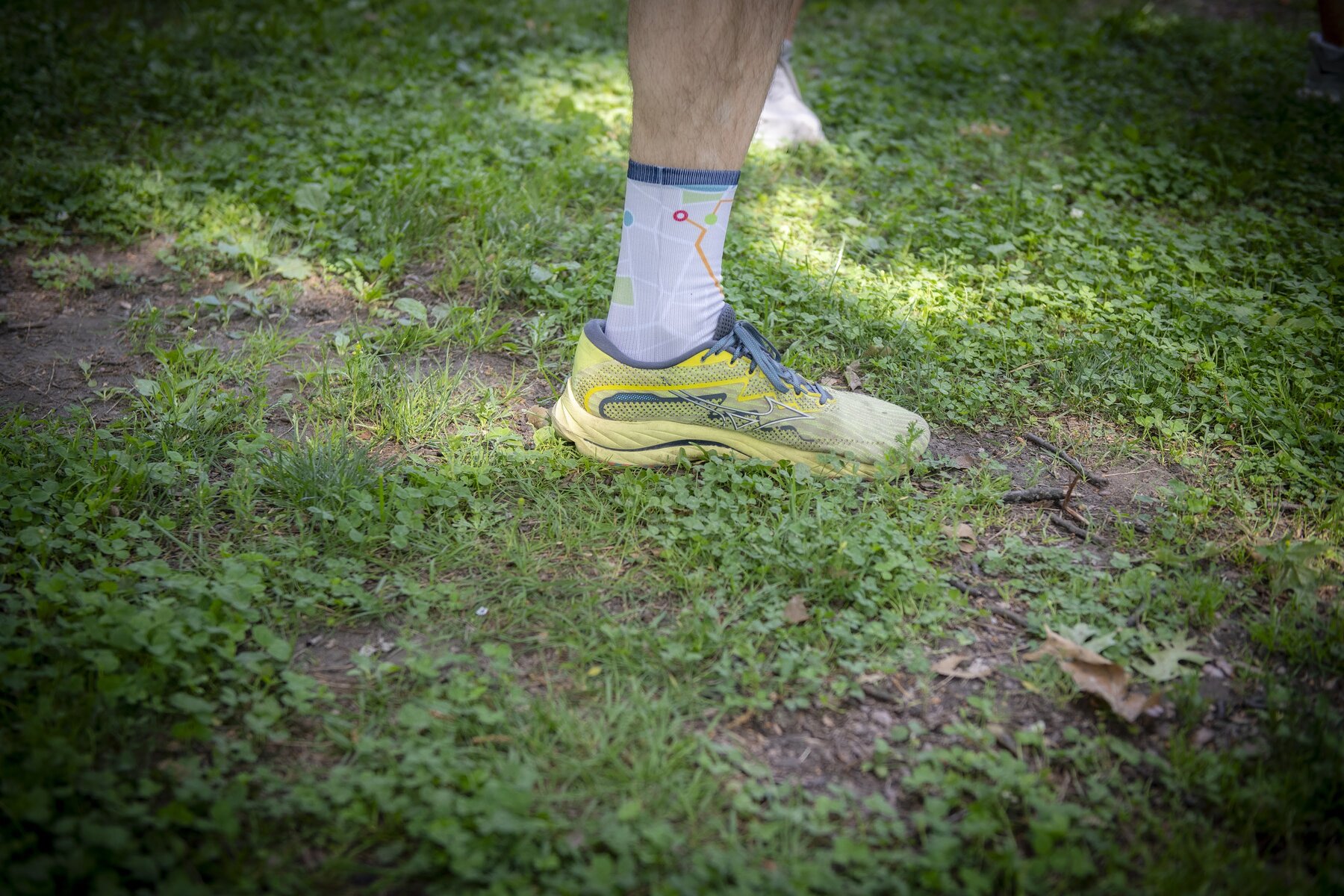
Hot spots and blisters on the feet are caused by either ill-fitting socks, ill-fitting shoes, or socks that don’t wick moisture properly.
Socks that are too big can wrinkle and cause friction. Socks that are too small can leave your heel or just above the heel bare and rubbing against the shoe.
Shoes that don’t fit properly can also cause hot spots. Too small, and your toes jam up against the end of the shoe, especially when running downhill. Too big, and your foot can slosh around within the shoe, causing a friction point when your foot rubs on the shoe’s interior. Too narrow, and the sides of your feet feel the friction. Too wide, and your foot moves too much. Some shoes have a pronounced arch support, and that needs to hit the arch of your specific foot properly, or else you can feel irritation.
Socks that don’t wick moisture properly, like old cotton gym socks, for instance, can become too sweaty (or soaked with moisture in wet conditions) and then create heat from the friction, which turns into a hot spot.
Make sure your socks are made from sweat-wicking material and fit you properly. Try on shoes to make sure they fit you properly.
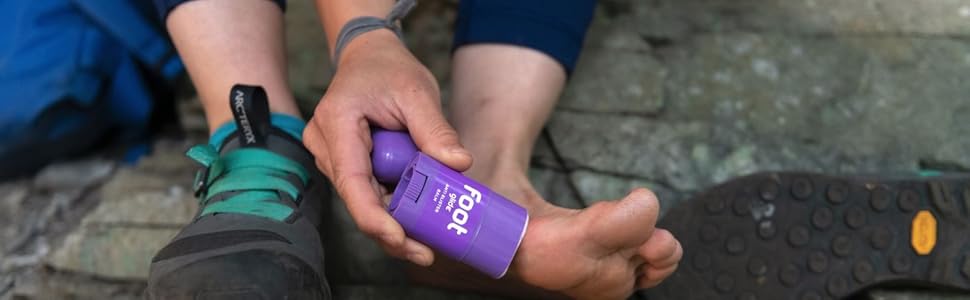
If you’re prone to hot spots and feel one starting, use an anti-chafing cream or balm like BodyGlide, Chamois Butt’r Her, or Squirrels Nut Butter (don’t eat this, like my son did accidentally).
If you have a hot spot or blister, cover it with a Band-Aid, moleskin, or other blister-care treatment.
If your thighs rub together when you run, you may be more comfortable in tights than shorts or even loose pants. Tights eliminate the friction of your skin on skin by pitting a smooth layer of material against material, and if the tights fit close to your skin, that should eliminate the friction which causes chafing.
Prevent: Wear tights instead of shorts or loose pants. Make sure whatever tights you wear are made from sweat-wicking material and don’t have irritating seams, especially at the inner thigh. If you prefer wearing shorts and chafe, lube up with an anti-chafing cream like those mentioned above.
Clean skin after your run and treat with an anti-bacterial ointment.
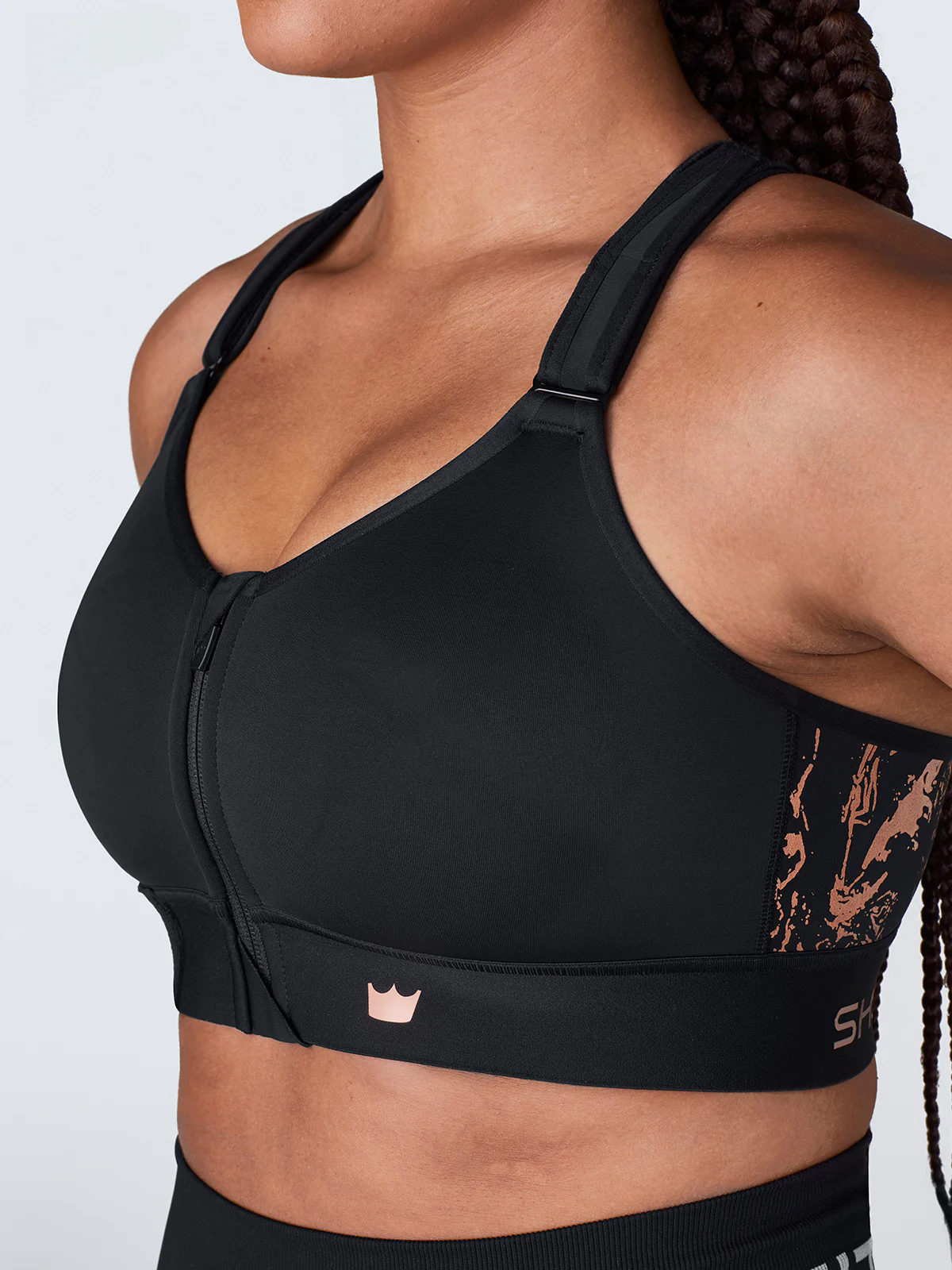
Sports bras that either fit poorly at the band (the part around the rib cage), have irritating seams, or are made with a material that irritates your skin, can cause either one small area of chafing or 360 degrees of raw skin. Add sweat to that irritated skin, and the sting can make you never want to wear a sports bra again.
Hop in the shower after a run in a rubbing sports bra, and you may never want to take a shower again, as the water makes the sting burn that much more.
Make sure you wear the right size sports bra by either trying on in a store or measuring your band size and cross-referencing with size guides on websites if purchasing online.
It’s a good idea to wear a sports bra on a short outing before committing to a longer one to make sure it fits you well and doesn’t cause irritation. If it does, lube up!
Clean skin after your run and treat with an anti-bacterial ointment.
Sometimes, underarms, upper arms, and lat (latissimus dorsi) muscles can become irritated either due to rubbing shirt or tank seams, underarm hair stubble, or even just large lat muscles and a particular arm swing.
Make sure the shirt you’re wearing doesn’t have irritating seams around the shoulders or under the arms. If you shave your armpits, don’t go too long between shaves. And if you find you chafe at the underarms or muscles around your underarms whenever you wear a tank or loose-fitting shirt, try a tighter-fitting shirt. The material of a good running shirt (without irritating seams) can protect your skin.
If you start getting a hot spot or chafing while on a run in a short-sleeved shirt, try pulling up the sleeves mid-run into a tank-style, which can cause a buffer for your underarms. If you prefer wearing tanks or loose-fitting shirts and chafe, lube up.
Clean skin after your run and treat with an anti-bacterial ointment.
You don’t need to be fast, fit, or fearless to become a runner.You just need a simple plan, an encouraging community, and the consistency to keep showing up — and None to Run gives you all three.

6,700 + Ratings in the Apple App Store

Time is hard to come by. Kids, work, and other commitments can get in the way. You need a plan that's easy to follow and can work around you, not the other way around.

You look "weird" when you run. You’re “not” a runner. You’re too “slow” or too "Old." We're here to tell you right here, right now, that you’re wrong. You only *think* these things because it's new and you feel uncomfortable. That'll change with consistency and time. You are a runner!

It may have been hard previously, but it doesn't have to be – now, you'll be given the tools and the knowledge to succeed. We’re doing things differently in order to see different results.

Running when you aren't ready or without the proper training can hurt, leaving you with nagging injuries that never seem to clear up. We ease you in, giving you the strength and conditioning you need to make sure your running doesn't come with pain.