


4.8 out of 5 Stars
6,700 + Ratings in the Apple App Store

Get our free printable running plan, specifically tailored for beginners
Access exclusive strength & mobility training videos
Overcome common injuries with our expert tips
Join our 12,000+ strong running community
If couch to 5k is too hard - this is the plan for you! This has got me running after injuries and surgeries and starting all over building fitness! Great program and lots of support!

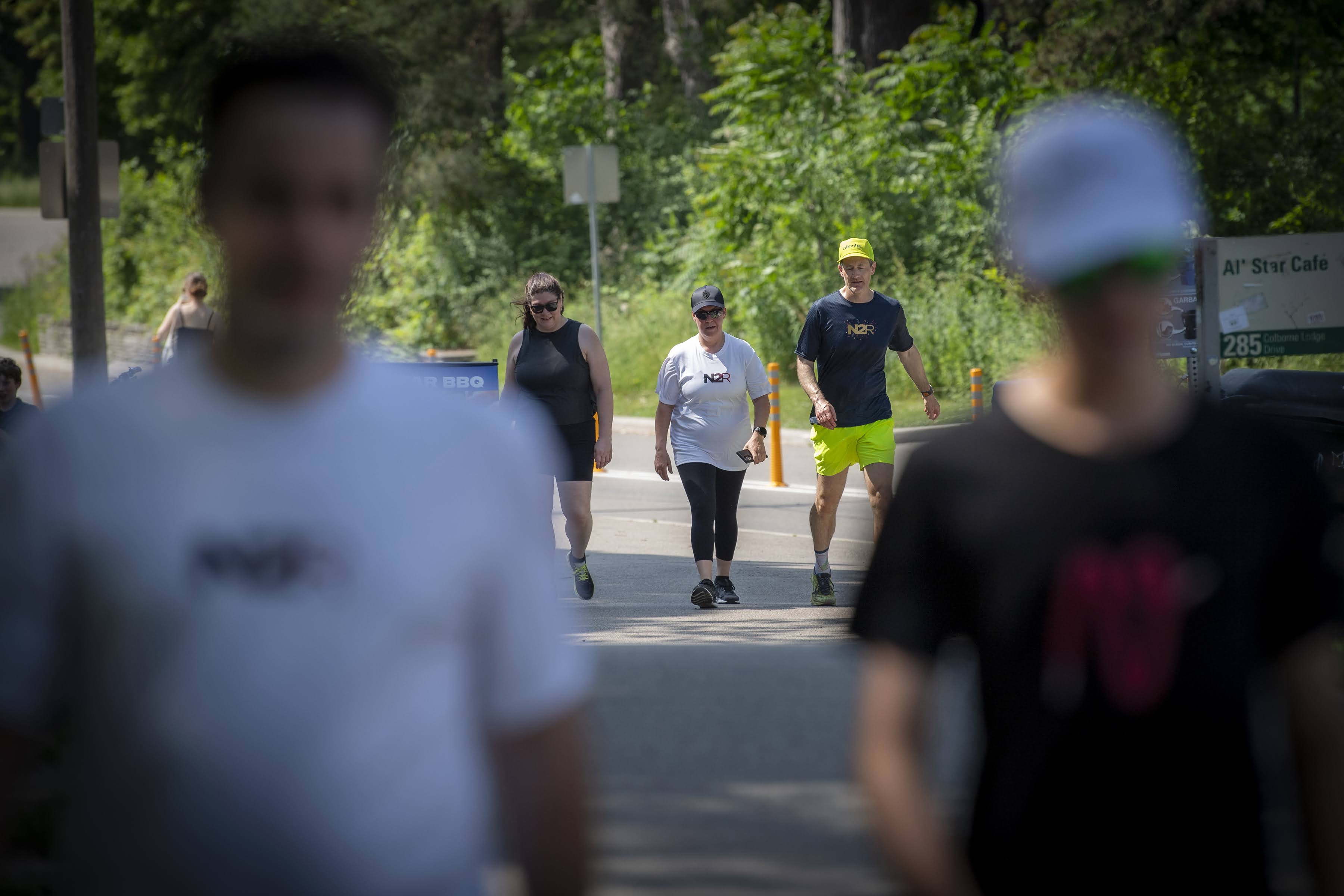
If you can’t run for 30 seconds, you’re exactly where most successful runners started.
And no—you’re not behind.
In fact, trying to run longer than that is one of the biggest reasons beginners struggle and quit.
The key isn’t pushing harder. It’s starting the right way.

That’s it. That’s your first run.
It might feel simple—but this is how you build a running habit that actually lasts.
There are three reasons most people struggle to run for even half a minute — and none of them mean you're not cut out for running.
You're running too fast. This is the number one mistake beginners make. When most people think "run," they picture something fast and intense. But a beginner's run should barely be faster than a brisk walk. If you can't hold a conversation, you're going too hard.
Your cardiovascular system hasn't adapted yet. Your heart, lungs, and blood vessels need time to get efficient at delivering oxygen to your muscles during running. The good news? This adapts quickly — often within a few weeks of consistent effort.
Your expectations are off. Social media makes it look like everyone else is effortlessly gliding through 5K runs. They're not. Even the Mayo Clinic's beginner 5K training plan starts with just 15-second running intervals. Fifteen seconds. So if you can manage 30? You're already ahead of the curve.
Here's something that might surprise you: the None to Run beginner program — the one that's helped over 100,000 people become runners — starts at just 30-second running intervals. And if that still feels like a lot, the Run Ready plan eases you in at 25 seconds. Not because we couldn't make it harder. Because starting small is where smart training begins.
The program was designed this way on purpose. Your muscles might adapt to running in two to three weeks, but your joints and tendons can take six to twelve weeks to catch up. Starting with short intervals gives your entire body time to adapt — not just your lungs.
Marian Leicester started the None to Run program at 82 years old. She had never been a runner in her life. She completed the full 12-week program with no repeated weeks and no injuries. She started at 30 seconds, just like everyone else.
If 30 seconds was enough for Marian, it's enough for you.
Here's exactly how to go from "I can't run for 30 seconds" to building real running fitness — safely.
1. Walk first.
Before you worry about running at all, can you walk briskly for 20 to 30 minutes without stopping? If not, that's your first goal. Walking builds the cardiovascular base and joint resilience you need before adding any running. It's not a consolation prize — it's the foundation.
2. Slow way down.
When you do start adding running intervals, your pace should feel almost embarrassingly slow. If someone were watching, they might not be sure whether you're jogging or walking quickly. That's perfect. Speed is irrelevant right now. The goal is to keep moving without your body sending distress signals.
3. Start with run/walk intervals.
Alternate short bursts of slow running with longer periods of walking. Think 25 to 30 seconds of running followed by three to four minutes of walking, repeated a handful of times. This is how your body learns to run without being overwhelmed by it.
4. Follow a structured plan designed for your level.
Winging it rarely works. And jumping into Couch to 5K — which starts at 60-second running intervals and ramps up quickly — is one of the most common reasons beginners get hurt or quit. You need a plan that was built for where you actually are right now, not where you want to be in three months.
5. Add basic strength work.
Running asks a lot of your legs, hips, and core — especially when those muscles aren't used to it. Simple bodyweight exercises like squats, glute bridges, and calf raises can dramatically reduce your injury risk and make running feel easier, faster.
If you're reading this article, you don't need a generic running plan. You need a clear path that starts where you are and takes you where you want to go.
None to Run has two plans designed to do exactly that — and they connect, so you always know what comes next.
This is your plan if you can't yet run for 30 seconds.
Run Ready is a 4-level pre-running plan designed to get your body prepared for a full beginner running program. It starts with 30-minute walks and gradually introduces 25-second slow running intervals with long recovery walks between them. Each level also includes simple strength routines to build a solid foundation and prevent injury.
Run Ready is for you if you're just starting to incorporate movement into your life, if you find a 30-minute walk to be a challenge, if you're returning to activity after an injury, or if you simply want a gradual, no-pressure way to begin.
Each level takes six to nine days depending on how much rest you need, and you can repeat any level as many times as you want. By the time you finish Level 4, you'll be ready — physically and mentally — to start the 12-week beginner plan.
Your next step after Run Ready — or your starting point if you can already walk 30 minutes comfortably.
This is the plan that's helped over 100,000 people go from not running to running 25 minutes continuously. It starts at 30-second run intervals with two-minute walking recoveries and builds gradually over 12 weeks. Like Run Ready, it includes strength and mobility work so your body stays healthy as your fitness builds.
Once you finish the 12-week plan, there's a 5K plan waiting for you whenever you're ready to take the next step.
What makes both plans different from Couch to 5K? They're time-based — not distance-based — so there's no pressure to cover a certain number of kilometers. The progression is gentler, strength training is built in, and the two plans connect so you're never left wondering "what now?"
Don't jump straight into Couch to 5K. C25K starts with 60-second running intervals — double what you can currently do — and ramps up aggressively from there. Research shows that only about 27% of people who start C25K actually finish it.
Don't compare yourself to other runners. Everyone you see running confidently was once exactly where you are. Comparison kills consistency.
Don't skip rest days. Your body gets stronger during rest, not during the workout itself. Rest days aren't lazy — they're part of the plan.
Don't worry about pace or distance. Right now, the only metric that matters is showing up.
The distance between "I can't run for 30 seconds" and "I just ran for 25 minutes" is shorter than you think. It doesn't require athletic talent. It doesn't require being young or thin or fast. It requires a plan that meets you where you are and the consistency to keep showing up — even on the days it feels hard.
⭐⭐⭐⭐⭐
"I’ve never been a runner, always the slowest, left at the back, insecure about keeping up with others. This app is incredible and the community is very welcoming and encouraging. Everyone goes at their own pace and there’s no judgements on speed. The whole point of the beginners program is to go slow. Think you’re going slow? No, go slower. Sounds like it wouldn’t work but I can tell you, it does! I went from struggling to run for 30 seconds to now running 22mins without stopping. I have fallen in love with running when it used to be something I hated the most. Thank you Mark and None To Run for changing my life!"
- by nadiatania, January 2, 2025 in the App Store
That's the power of starting small and trusting the process.
Ready to start? The Run Ready Plan was built for exactly where you are right now.
👉 We’ll tell you exactly when to run and when to walk.
Is it normal to not be able to run for 1 minute?
Yes — completely normal, especially if you're new to running or returning after a long break. Most people overestimate what a beginner "should" be able to do. The key is starting with intervals that match your current fitness and building from there.
How do I build running stamina from zero?
Start with walking, then gradually introduce short running intervals (15 to 30 seconds) with generous walking breaks. A structured plan like Run Ready or None to Run will guide this progression safely over several weeks.
What is a good beginner running plan?
Look for a plan that starts with very short running intervals (30 seconds or less), uses time rather than distance as the measure, includes walking recovery, builds gradually over at least 8 to 12 weeks, and incorporates strength training. The None to Run program checks all of these boxes.
You don’t need to be fast, fit, or fearless to become a runner.You just need a simple plan, an encouraging community, and the consistency to keep showing up — and None to Run gives you all three.

6,700 + Ratings in the Apple App Store

Time is hard to come by. Kids, work, and other commitments can get in the way. You need a plan that's easy to follow and can work around you, not the other way around.

You look "weird" when you run. You’re “not” a runner. You’re too “slow” or too "Old." We're here to tell you right here, right now, that you’re wrong. You only *think* these things because it's new and you feel uncomfortable. That'll change with consistency and time. You are a runner!

It may have been hard previously, but it doesn't have to be – now, you'll be given the tools and the knowledge to succeed. We’re doing things differently in order to see different results.

Running when you aren't ready or without the proper training can hurt, leaving you with nagging injuries that never seem to clear up. We ease you in, giving you the strength and conditioning you need to make sure your running doesn't come with pain.