


4.8 out of 5 Stars
6,700 + Ratings in the Apple App Store

Get our free printable running plan, specifically tailored for beginners
Access exclusive strength & mobility training videos
Overcome common injuries with our expert tips
Join our 12,000+ strong running community
If couch to 5k is too hard - this is the plan for you! This has got me running after injuries and surgeries and starting all over building fitness! Great program and lots of support!

Starting anything new is difficult, but starting a running routine can downright stink.
Running hurts.
And when you first start out, running can hurt quite a bit, and that feeling can stick around long after you’ve taken off your shoes. Delayed Onset Muscle Soreness—when soreness in the muscles peaks 24 to 72 hours after exercise—is real, as are achy joints, increased hunger, and a need to sleep more than you used to. It generally takes about a month to six weeks for your body to adjust to the movement of running.
But despite being sore, hungry, and more tired during the first month of running, there are some great upsides. All that muscle and joint soreness just means that your body is adjusting to running and you’re getting fitter by the day. The increased hunger means that you’re burning more calories—you need to put more coal in the fire. And while you may feel like you need more sleep, you’ll likely sleep better than ever before. (Studies prove that exercise improves sleep quality.)
Still, managing soreness and everything else that comes with your new running routine can be particularly hard during the first month. Here are some strategies for survival.
You’re likely already following the the beginner-friendly None to Run plan. This plan takes into account the fact that your body needs time to recover between running efforts, both within one run (by alternating running with walking), and between run-walk outings (by spacing out days).
The best strategy for success is following the guidance of the plan while also listening to your body and adjusting if you need to.
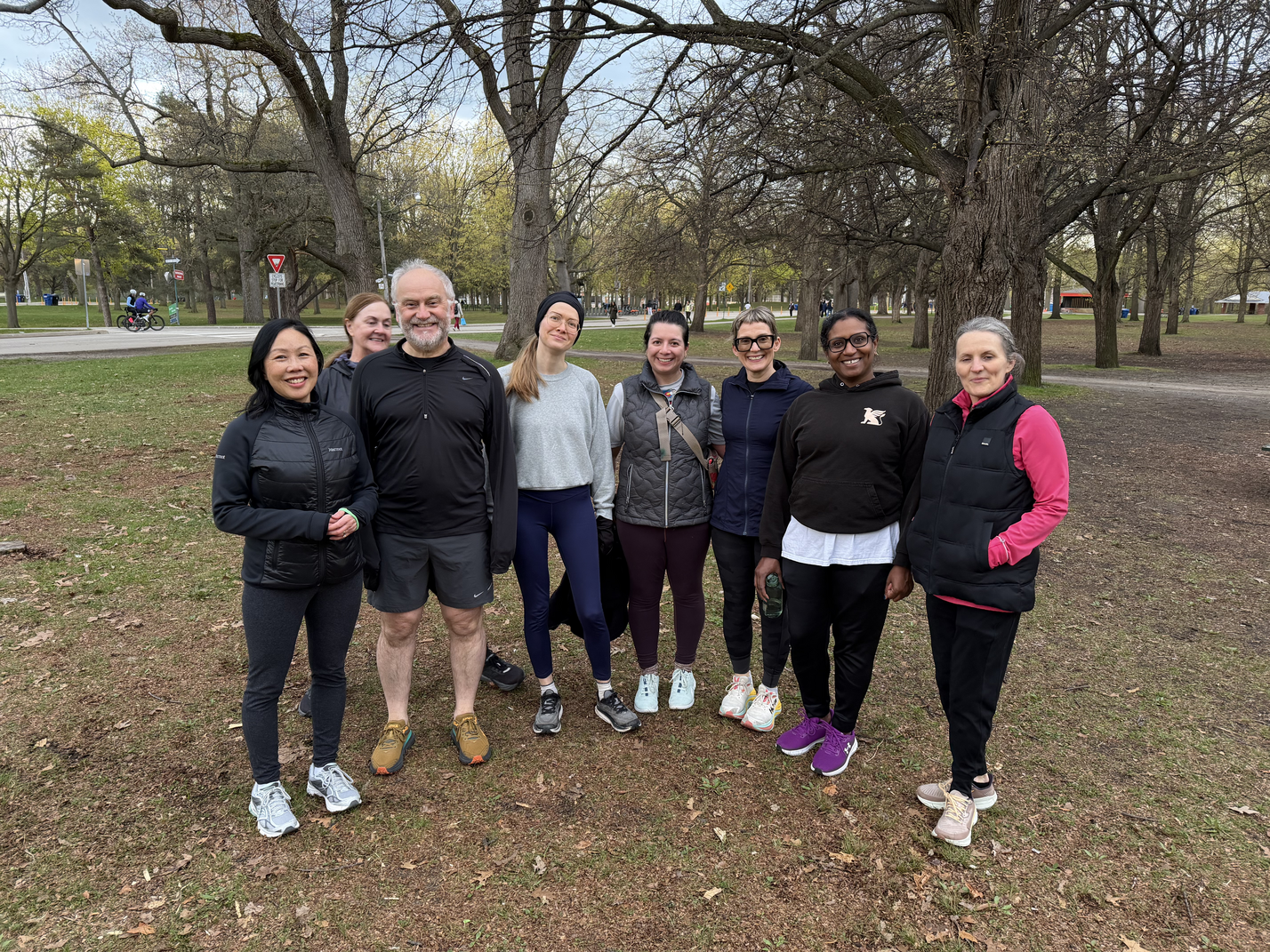
Some people may find that starting a running plan with a buddy helps tremendously—you keep each other accountable, have someone to run with (if you live in the same area), and can compare and commiserate new-runner pains. Other people may find that running is the ideal way to be alone with their thoughts. They look forward to the alone time. And others may have a canine companion or child in a jogger to join them.
Figuring out which scenario works best for you, and embracing it, can help you look forward to every run. (Employing a combination of company versus no company can strike a great balance.) This is where some solid self-awareness comes in very handy.
There is no need to run the exact same route every time you head out. And, in fact, it is detrimental to your body (and your mind) to do so. Running a variety of routes keeps your body guessing, which is a good thing. Even running a loop in the opposite direction can vary the terrain enough to provide a good challenge to your muscles, connective tissues, and cardiovascular system. And running a variety of routes keeps things interesting so you don’t become bored.
You’ll have new sights, sounds, and terrain underfoot to enjoy, which can help stave off boredom and a feeling of dread. Tap into your inner explorer to make things more fun. Running can help you discover new places you never would have found before.
Since starting a running plan will undoubtedly tap into some muscles and connective tissues in a new way, you’ll likely be sore…perhaps very sore. That soreness may even last the entire month as you’ll be in a cycle of running followed by Delayed Onset Muscle Soreness. Mentally, try to keep in mind that you’re getting stronger and fitter. And physically, take care of yourself. Foam rolling has been proven to alleviate DOMS.
Studies are mixed on other modalities, like icing, heat, or stretching. But listen to your body. If you feel like icing, or alternating heat and ice, or stretching, helps you recover, by all means, do it. (Personally, I have found that sitting in a cold-water creek after a run helps me recover.)
And don’t be afraid of the soreness. It’s normal, and the best way to minimize it is to keep moving.
Strength training by lifting weights and doing body weight exercises both makes you a better but keeps you durable and able to ward off running injuries more easily. Starting a strength training program that’s compatible to running in conjunction with your running program is a great strategy for staying healthy overall.
If you’re not used to exercising as much as you are while starting a running program, your body will need more fuel. You may experience increased hunger, and you should listen to that feeling and feed yourself wisely and healthily. Even if you’re not feeling hungrier, you should increase your food and water intake to make sure you’re supporting yourself.
Not doing so can lead to fatigue, muscle loss, more muscle soreness, and an increased risk of injury. Serious cases of undernutrition for runners can lead to weakened immune systems, hormonal imbalances, low iron, and other issues.
According to the Centers for Disease Control, adults need 7 to 9 hours of sleep per night for reasons that range from improving heart health to reducing stress. Adults who exercise need more, upwards of 8 to 10 hours per night.
The good news is that with increases exercise, the quality of your sleep may improve. You’ll sleep harder and hopefully feel more well-rested. Don’t ignore your need to sleep more—sleep is the ultimate form of recovery.
Make sure that, during the first month of becoming a runner, you occasionally pat yourself on the back. Running is hard, and you’re doing it! Take pride in your new commitment to yourself and your health, be proud, and enjoy the journey. And know that month two will be easier.
You don’t need to be fast, fit, or fearless to become a runner.You just need a simple plan, an encouraging community, and the consistency to keep showing up — and None to Run gives you all three.

6,700 + Ratings in the Apple App Store

Time is hard to come by. Kids, work, and other commitments can get in the way. You need a plan that's easy to follow and can work around you, not the other way around.

You look "weird" when you run. You’re “not” a runner. You’re too “slow” or too "Old." We're here to tell you right here, right now, that you’re wrong. You only *think* these things because it's new and you feel uncomfortable. That'll change with consistency and time. You are a runner!

It may have been hard previously, but it doesn't have to be – now, you'll be given the tools and the knowledge to succeed. We’re doing things differently in order to see different results.

Running when you aren't ready or without the proper training can hurt, leaving you with nagging injuries that never seem to clear up. We ease you in, giving you the strength and conditioning you need to make sure your running doesn't come with pain.