


4.8 out of 5 Stars
7,100+ Ratings in the Apple App Store

Get our free printable running plan, specifically tailored for beginners
Access exclusive strength & mobility training videos
Overcome common injuries with our expert tips
Join our 12,000+ strong running community
If couch to 5k is too hard - this is the plan for you! This has got me running after injuries and surgeries and starting all over building fitness! Great program and lots of support!

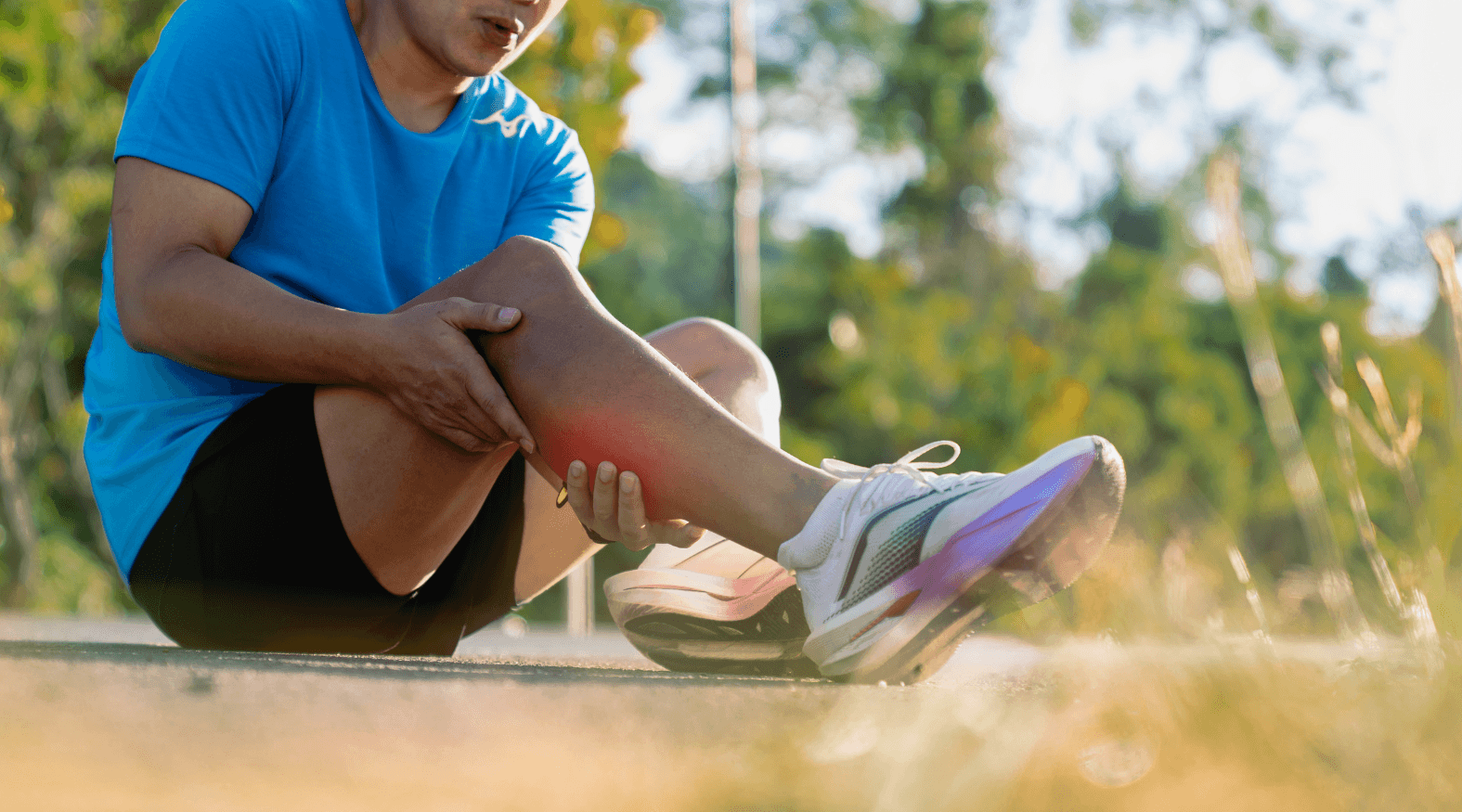
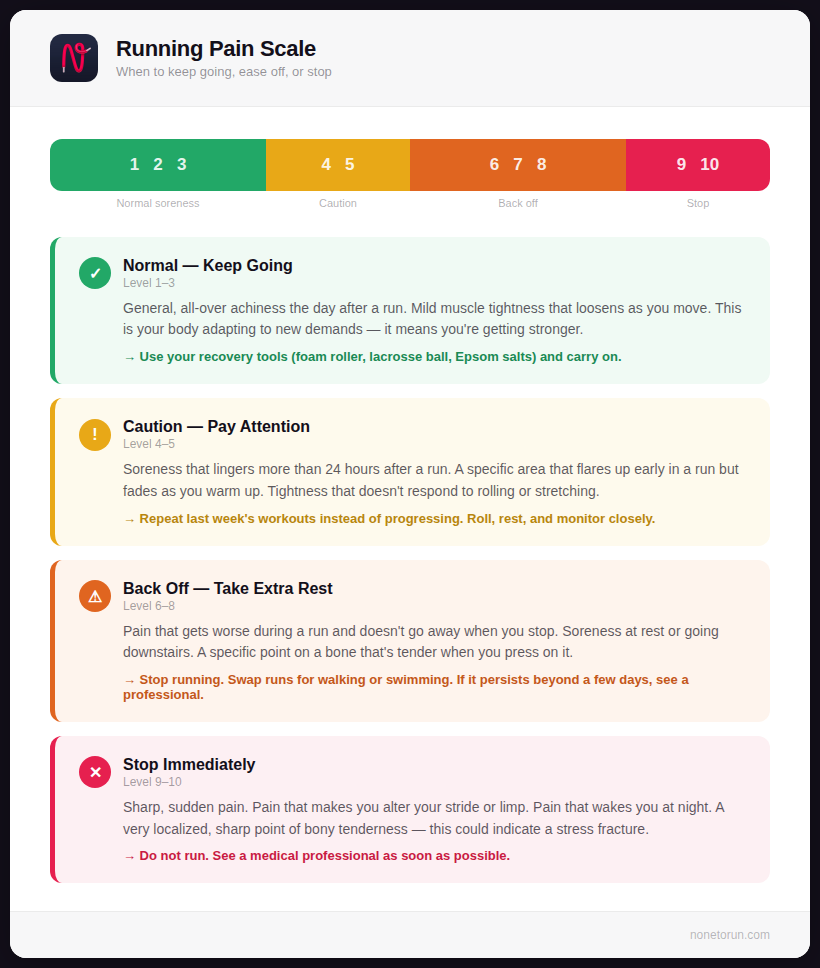
If you’ve started your running journey, you know this already: Running can hurt. A lot of the pains you may be experiencing are good pains—they likely indicate that your entire body is getting stronger. But occasionally, small irritations can turn into bigger injuries, and no one wants that.
The good news is that there are a lot of tools on the market that allow you to maintain a healthy body as you run, and most of them are relatively inexpensive and easy to use while you’re watching TV or relaxing in the comfort of your home. Sure, most of us would love to get a professional massage after every run, most of us can’t swing that luxury.
The following self-care tools can do you a world of good in aiding recovery, act as preventative measures for bigger issues (like injuries), and simply feeling good.
You can find these items at running specialty stores, online, or at big box sporting goods stores.
What:
A cylinder made of dense foam. Some are textured and some are smooth. The most common length is three feet, but there are shorter ones—as small as 12 inches–that are made for portability.
Why:
Foam rolling acts as a great form of self-massage, the dense foam working to reduce muscle tension and increase blood flow and mobility.
How:
You can foam roll a great number of body parts, from your mid- and upper back to your glutes, TFL, quads, IT bands, adductors, and calves, but focus on muscles and avoid rolling on joints or bones. Roll each muscle group for 30 seconds to up to two minutes. If a muscle is particularly tender when you roll it, that means it’s tight and you’d benefit from rolling it out with the goal of getting the tightness to release. (But don’t overdo it.)
You can also use a foam roller to stretch your chest muscles by placing the roller in alignment with your spine and lying on it with both your head and bottom resting on it, with your knees bent and your feet flat on the ground. Open your arms wide and do the motion like you’re making a snow angel, pausing at any particularly sticky spots.
When:
While you can foam roll before a run to loosen up muscles, especially if you’re coming back from a muscle injury, research has shown that rolling for 20 minutes immediately after exercise and then every 24 hours twice more can significantly reduce muscle soreness.
What:
A 7.75- to 8-inch-round ball made of vulcanized rubber.
Why:
Due to their size, lacrosse balls can target certain muscles more specifically than a foam roller.
How:
To roll tight upper back, shoulder, chest (your upper body can become tight with running), or even hip muscles, stand closely to a wall and place the ball between the targeted muscle and the wall. Roll the ball up and down against the wall and your body.
To roll tight calves, glutes, and/or the bottom of your feet, place the ball on the floor and roll your body on top of it.
Work each muscle for 30 seconds to two minutes, knowing that painful spots likely mean they need releasing (but don’t overdo it).
When:
Like foam rolling, you can use a lacrosse ball before a run to loosen up, or after a run to aid recovery.
What:
Battery powered, hand-held device that comes with varying attachments for self-massage. Most operate at varying speeds, and some come with heat or cooling options.
Why:
Massage guns allow you to sit or lie down and give yourself a massage without having to do anything but push an “On” button and target the areas in need. They percussive movement is said to help ease the nervous system and stimulate the lymphatic system, while facilitating the release of lactic acid and improve circulation for recovery.
How:
Start with the gun’s lowest intensity and build from there, changing the angle of the gun and trying the varying attachments. It’s advised to not pummel any one muscle for more than two minutes, and to keep each massage gun session to 15 minutes max.
When:
You can use them to aid a warm-up, but not in place of a warm-up. Most use them after a workout.
What:
A combination of magnesium, sulfur, and oxygen, Epsom salts come in a bag.
Why:
Relief of muscle aches and pains. Also known to help alleviate stress and improve sleep.
How:
Draw a warm bath, dilute 1-2 cups of Epsom salts in the water, and soak for at least 15 minutes.
When:
Post-run (pre-run not advised). 1-2 times a week or as often as you like.
* Always consult your doctor or pharmacist before taking any medication, especially if you have existing health conditions or are taking other medications.
What:
Anti-inflammatory/pain reliever
Why:
Muscle or joint soreness. Ibuprofen (like Advil) is an anti-inflammatory, which can help with pain, depending on the issue. Acetaminophen (like Tylenol) addresses pain. Neither should be used regularly.
How:
Take the minimum amount that provides you relief.
When:
As infrequently as possible. It’s also not advised to take either before a run because they can mask pain and make you push harder during your workout than you should. If needed, take after a workout, but don’t make a habit of it.
The information in this article is for general educational purposes only and is not intended as medical advice — always consult with a qualified healthcare professional before starting a new exercise program or if you have any concerns about pain or injury.
You don’t need to be fast, fit, or fearless to become a runner.You just need a simple plan, an encouraging community, and the consistency to keep showing up — and None to Run gives you all three.

7,100+ Ratings in the Apple App Store

Time is hard to come by. Kids, work, and other commitments can get in the way. You need a plan that's easy to follow and can work around you, not the other way around.

You look "weird" when you run. You’re “not” a runner. You’re too “slow” or too "Old." We're here to tell you right here, right now, that you’re wrong. You only *think* these things because it's new and you feel uncomfortable. That'll change with consistency and time. You are a runner!

It may have been hard previously, but it doesn't have to be – now, you'll be given the tools and the knowledge to succeed. We’re doing things differently in order to see different results.

Running when you aren't ready or without the proper training can hurt, leaving you with nagging injuries that never seem to clear up. We ease you in, giving you the strength and conditioning you need to make sure your running doesn't come with pain.