


4.8 out of 5 Stars
7,100+ Ratings in the Apple App Store

Get our free printable running plan, specifically tailored for beginners
Access exclusive strength & mobility training videos
Overcome common injuries with our expert tips
Join our 12,000+ strong running community
If couch to 5k is too hard - this is the plan for you! This has got me running after injuries and surgeries and starting all over building fitness! Great program and lots of support!

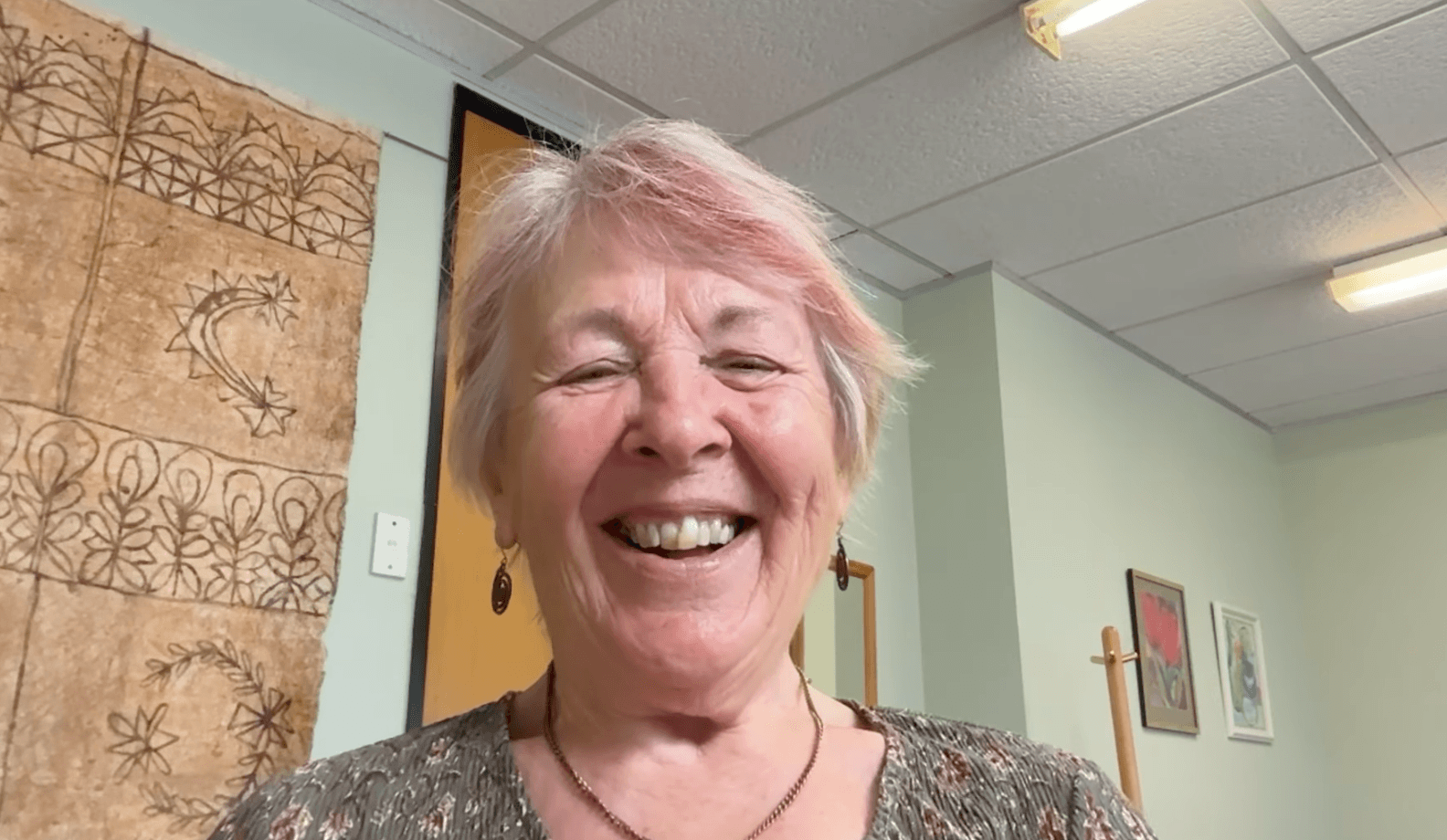
If yours is the only pair of shoes hitting the ground near you as you run, you might struggle to know what I mean when I suggest that, whether you notice it or not, you’ll be having a collection of people tagging alongside you.
I’m talking about that non-stop chatter of voices in your head. You know what I mean? Where each voice has its own opinion, own priorities, own needs, own emotions. Sometimes the voices are relatively united in what they say, contentedly going along for the run.
At other times, it can feel like one or two - or more - have serious differences, maybe even to the point of having a full-on at war with each other. And, no, hearing all these voices does not make you schizophrenic.
I’ve been a counsellor for decades, helping clients get better at noticing and listening to their inner voices, and developing skills to coordinate them. That’s the ideal - to get a full and respectful discussion going between all voices, so that no one undermines or ignores the others. To achieve this, we need to have an internal “chairperson”, benignly objective, with excellent skills at managing discussions, even when they might get heated, and with expertise in steering matters towards consensus.
So how does this all apply to running?
Here’s my current example. At the advanced age of 82, I recently replaced a lifelong aversion to running by starting, and faultlessly completing, the N2R plan (see my interview on the None to Run blog). I was triumphant at achieving this goal, and carried this enthusiasm to begin the Run to Race 5K. Six weeks into it, I ground to a halt with a strained a calf muscle, my first running injury.
This set off a cacophony of inner voices, coming at me from all directions, which (four weeks after the injury) I can now review and sort into orderly categories:
“Oh no, I’m injured”; “Help!”; “What do I do now?”; “I’ve really hurt myself”; “Maybe I’ve done some permanent damage to myself”; “What if I can’t recover ?”; “It’s going to take so long to get better, maybe I should just give up?”
“I should have taken this more slowly”; “I should have been happy with what I’d already achieved and not over-reached myself”; “I should never have started this in the first place”; “People will think what an old fool I’ve been”; “I told you this would happen”; “I’m far too old to do this”; “How stupid of me to think I can do this”; “What a waste to have spent all this money on running shoes.”
“You’ll be fine”; “Don’t worry”; “It’s nothing”; “Just push through it.”
“What do I need to do now?”; “I’ll manage this somehow”; “I need to find out how to treat this injury?”; “Who can help me?”; “What can I ask for?”; “What’s the best healing process to follow?”
It’s no surprise to me that there are more voices in the Doubting category. So often we assume wagging the finger at ourselves is “good for us”, that “it’s for our own good”, and we “should be able to learn from criticism”. It’s generally harder for most of us to train our thinking to be quicker off the mark with supportive, kind, outcome-focussed positive voices. Once that happens, we’re better placed to decide how to check the usefulness of the Doubting voice.
However, what easily happens is that turning up the volume of the Encouraging voice so it becomes the voice of Denial can lead to unintended consequences - like using painkillers and continuing overworking an injury. Shutting down the Doubting voice, believing it’s best to deny concerns, is just as risky as believing it must always to be right. Identifying the Denial voice can be a challenge, as it often masquerades as the Encouraging voice. A thorough debate leading to consensus is much more effective.
I hope you are familiar with your own multiple “voices”. I first learned about the concept from Transactional Analysis . Recently, Dialectic Behavioural Theory, and Internal Family Systems theory have both refreshed the concept. The common idea is that all voices have something valid and useful to contribute. Any parts we ignore, we do so to our loss. However, starting right from early childhood, we cannot avoid becoming socialised into prioritising or censoring some parts over others.
As we become adults, many of us are able to re-work the connections between our voices so that decisions and actions happen more harmoniously. For those having difficulty, especially those not be accustomed to tuning in to their inner voices, therapy is highly effective. It is so liberating to discover that the parts of us that we disliked / were ashamed of / disapproved of / were afraid of actually have important information for us, once we get good at managing the mob.
Today, I’m a few days back into cautiously re-doing my own variation of the None to Run plan, having consulted my health experts - and my long-running friend Judith.
Click here to learn more about Judith's Functional Fitness
While part of me thinks it’ll be forever before I can hope to run the five kilometres again, as long as my Encouraging self keeps being very kind to my Anxious self, and keeps my Doubting and Denial selves as consultants in the loop, I can be sure I’ll get there, all in good time.
You don’t need to be fast, fit, or fearless to become a runner.You just need a simple plan, an encouraging community, and the consistency to keep showing up — and None to Run gives you all three.

7,100+ Ratings in the Apple App Store

Time is hard to come by. Kids, work, and other commitments can get in the way. You need a plan that's easy to follow and can work around you, not the other way around.

You look "weird" when you run. You’re “not” a runner. You’re too “slow” or too "Old." We're here to tell you right here, right now, that you’re wrong. You only *think* these things because it's new and you feel uncomfortable. That'll change with consistency and time. You are a runner!

It may have been hard previously, but it doesn't have to be – now, you'll be given the tools and the knowledge to succeed. We’re doing things differently in order to see different results.

Running when you aren't ready or without the proper training can hurt, leaving you with nagging injuries that never seem to clear up. We ease you in, giving you the strength and conditioning you need to make sure your running doesn't come with pain.