
An independent evaluation conducted with Edge Hill University is helping us better understand the people who turn to None to Run, the progress they make, and how we can better support every runner's journey.
Explore the FindingsAbout the evaluation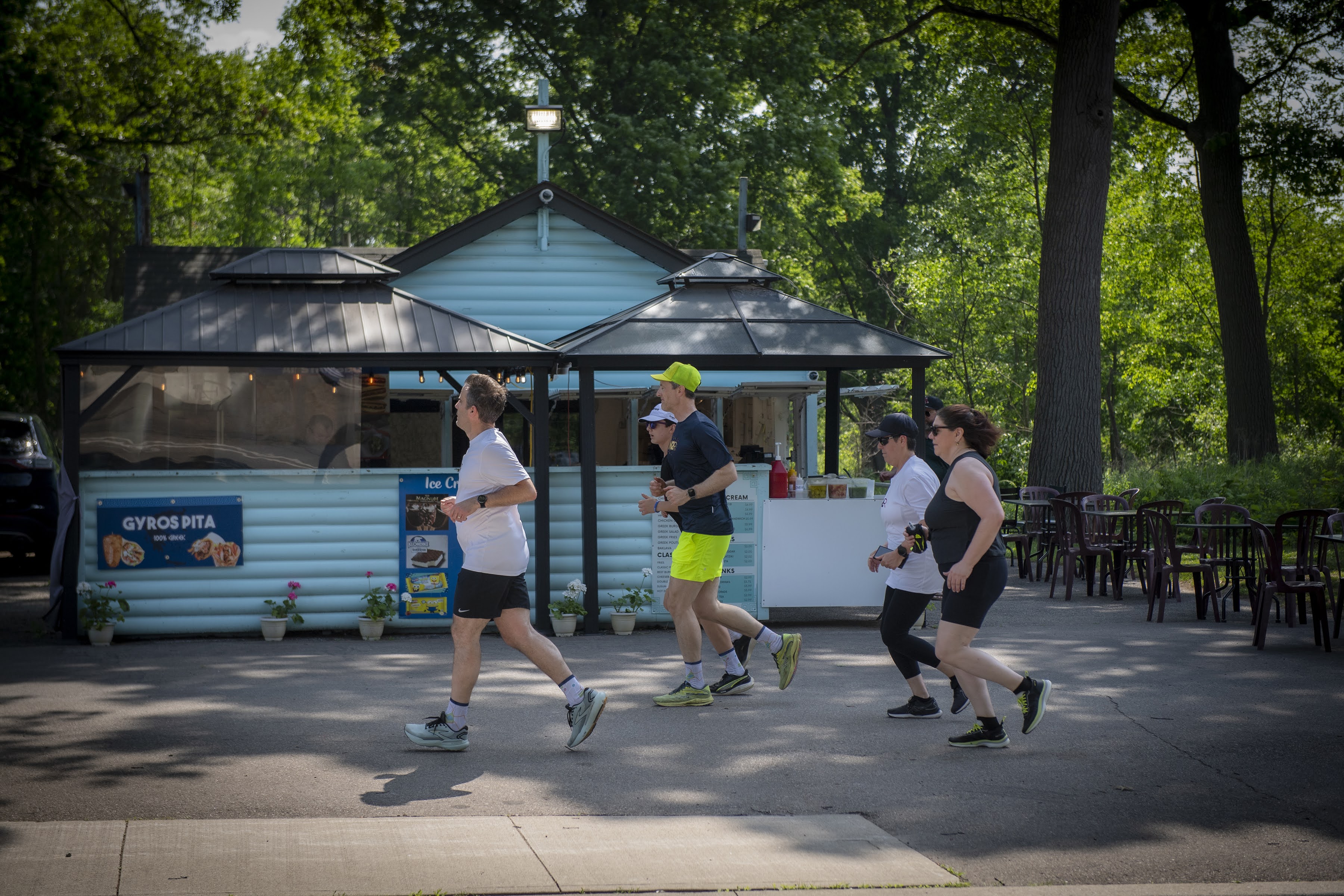
Independently evaluated by Edge Hill University
Among participants who completed the relevant before-and-after measures, researchers observed improvements across several measures of health and wellbeing.
These changes were observed in up to 116 of the 618 baseline participants: those with linked before-and-after surveys (98 to 116, depending on the measure). This group chose to complete both surveys and was a little healthier at the start. The evaluation was observational with no comparison group, so the improvements cannot be attributed solely to the program.
Among participants who completed before-and-after surveys, improvements were observed whether or not they reached Week 12.
These are observational findings and do not establish that the program caused the improvements.
Repeating a week, taking additional time, or returning after a break can all be part of your running journey.
Based on the 449 participants who submitted at least one weekly check-in.

618 people from 22 countries completed the starting survey. They are not who most people picture when they think of a runner. That is the point.
The evaluation included people with a wide range of health backgrounds and running experiences. Many were returning to running, living with existing health conditions, or starting from relatively low levels of physical activity.
51% reported a history of musculoskeletal injury, and 15.2% reported a current one at baseline. Physical activity is based on the 530 participants with usable activity data. All figures describe participants when they started.
62%
Reported at least one existing health condition.
35%
Had low mental wellbeing at baseline.
31%
Were physically inactive at baseline.
77%
Had a BMI in the overweight or obese range.
Why this matters: More than half of participants were aged 35 to 54. Starting to run in midlife is common here.
Why this matters: Most people had some running experience, and half were coming back after a break. Starting again is normal, and the plan is built for it.
If you see yourself in these numbers, you belong here.
116 people completed surveys both before and after the program. On average, they finished more active, feeling better in themselves, and reporting less pain.
Why this matters: The share of people in the most active group nearly doubled. That is the activity level researchers call health-enhancing.
Why this matters: Fewer people were in the low wellbeing group after the program, and twice as many were in the high group.
Why this matters: Beginners often worry that running will hurt. In this group, fewer people reported pain or discomfort after the program than before it, and fewer reported anxiety or depression.
Based on 71 to 116 people, depending on the measure. Highly active means reaching the top activity category on the IPAQ questionnaire.
Understanding who starts running, what motivates them, and how they progress helps us continue building a more approachable running experience.
Many participants were returning to running, managing existing health conditions, or starting from lower levels of physical activity. Understanding those starting points helps us design a more approachable experience.
Participants who completed before-and-after surveys reported encouraging improvements even when they hadn't reached the end of the 12-week program. Progress doesn't have to follow a perfect schedule.
The evaluation highlighted pain and injury, particularly in the early weeks, as areas for further investigation. These findings can help inform clearer guidance and more timely encouragement.
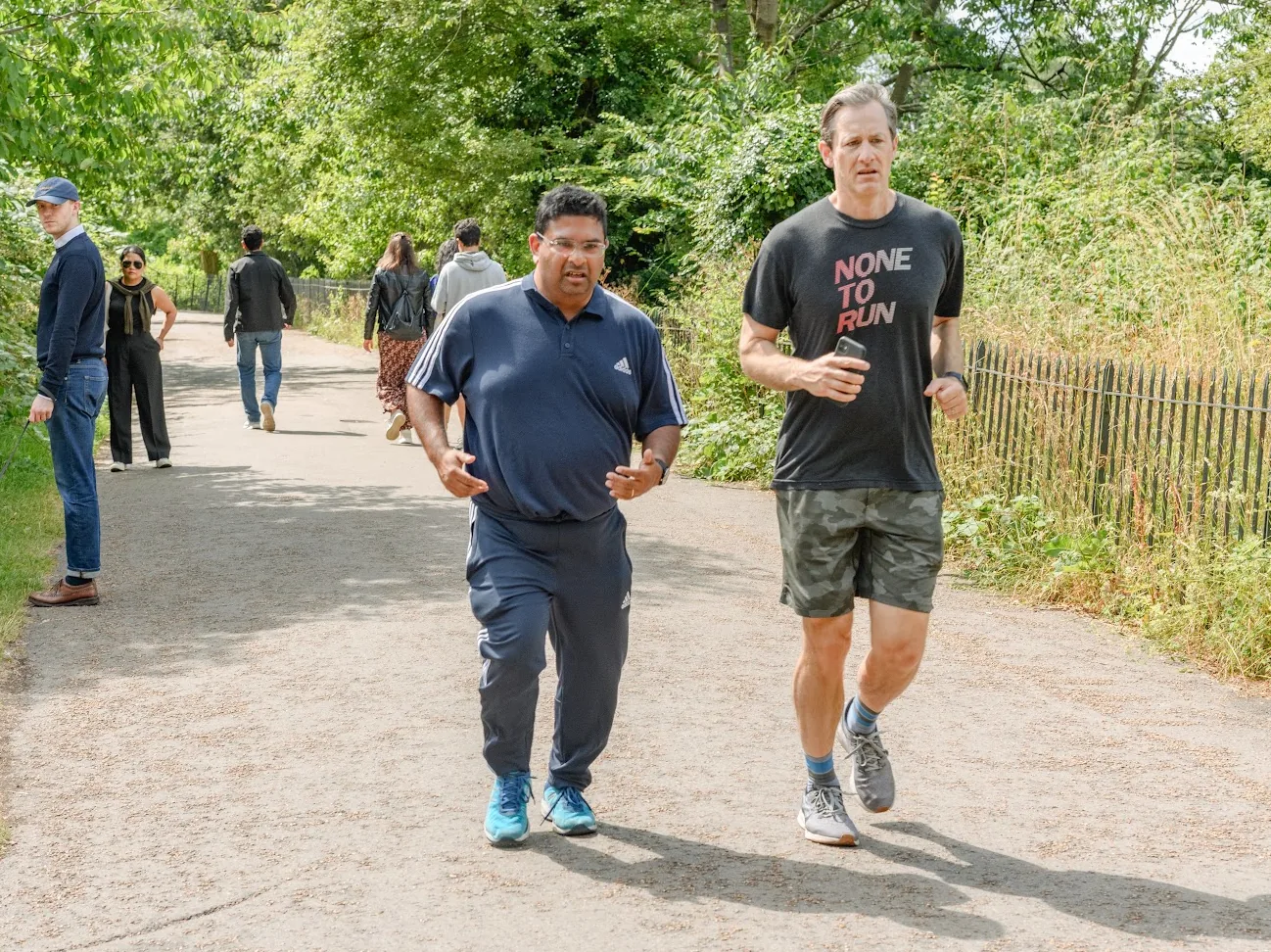
These findings show us where to make None to Run better: guidance on repeating weeks, pacing, recovery, and support when running feels difficult.
Our goal isn't simply to help more people start running. It's to help them keep going.
Among the small group who completed the six-month follow-up, gains in physical activity and self-rated health were maintained, while mental wellbeing moved back toward baseline. These findings come from just 25 linked follow-up surveys, mostly from participants who reached Week 12, so they are exploratory and cannot be generalized to all participants.
Why this matters: Self-rated health is how healthy people feel overall. Among follow-up respondents, the higher scores were still there six months later.
Improvements in self-rated health were maintained six months later among follow-up respondents.
Researchers at Edge Hill University conducted an independent evaluation of None to Run, examining who participates, how people engage with the program, and changes in physical activity, health, and wellbeing.
The evaluation included 618 baseline participants, 2,980 weekly check-ins, 116 linked post-program surveys, and 25 linked six-month follow-up surveys. Anyone who joined None to Run could take part.
The study used established research questionnaires for physical activity (IPAQ), mental wellbeing (SWEMWBS), quality of life (EQ-5D-5L) and pain or injury (OSTRC).
This was an independent observational evaluation, not a randomized controlled trial. There was no comparison group, so we can't say for certain that the program caused these changes.
The before-and-after results come from the 116 participants who completed both surveys, a smaller, self-selected group who were a little healthier at the start than those who did not. Activity, wellbeing and pain were all self-reported. Fewer participants submitted weekly check-ins as the 12 weeks went on, and aches and pains were commonly reported. The common questions below give the figures.
The evaluation report is complete. The research team is planning a journal article, so these findings have not yet been peer-reviewed or published in an academic journal.
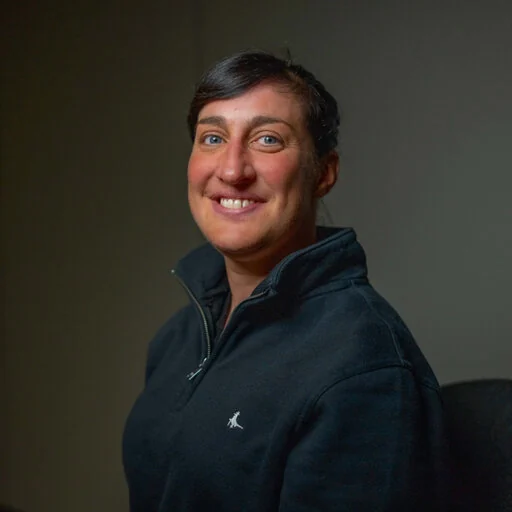
The evaluation was conducted by researchers at Edge Hill University, led by Dr Nicola Relph. None to Run was the project partner, and participants were recruited through the None to Run app and welcome email. It was an observational evaluation, not a clinical trial.
No. The findings are encouraging, but this was an observational evaluation without a comparison group. The reported improvements came from the smaller group of participants who completed surveys before and after the program, so the results should be interpreted with care.
Among people who completed surveys before and after the program, weekly physical activity rose by an average of 541 MET-minutes (98 people), mental wellbeing by 1.4 points on the SWEMWBS scale (112 people) and self-rated health by 6.3 points out of 100 (116 people). Fewer people reported pain or discomfort, and fewer reported anxiety or depression.
Not necessarily. Among those who completed paired surveys, improvements were observed in participants who reached Week 12 and those who did not. Individual results will vary.
Baseline results describe all 618 people who completed the starting survey. Post-program results compare before and after for the 116 people who completed both surveys. Six-month results come from the 25 people who have completed the follow-up survey so far, so they are preliminary.
Engagement with the evaluation was measured through weekly check-in surveys. Of the 618 participants who completed the baseline survey, 449 (73%) submitted at least one check-in, 213 (34%) reported reaching week 4, 114 (18%) week 8 and 69 (11%) week 12. Most participants who stopped submitting check-ins did so in the first four weeks. Not completing a check-in does not necessarily mean someone stopped using None to Run or stopped running, so these figures describe engagement with the evaluation.
Yes. The weekly check-ins asked about aches, pain and injury using a sensitive questionnaire that also picks up minor, short-lived problems. Almost half of check-ins (48%) mentioned some problem, and 45% of people who checked in reported one that affected their running at least once. People who started with an existing injury were the most likely to report a problem. The researchers recommend early support and advice for runners who start with or develop pain.
The evaluation report is complete and a journal article is planned, so the findings have not yet been peer-reviewed. The report is not available to download here. The research team section above links to Edge Hill University's project page, and you can email mark@nonetorun.com with questions or interview requests.
The evaluation report is complete, and a journal article is planned. Researchers, journalists and health professionals are welcome to email us with questions or interview requests.
mark@nonetorun.comWhether you're brand new to running or getting back into it, you deserve a plan that meets you where you are. Start with just 30 seconds of running and build from there.