


4.8 out of 5 Stars
6,700 + Ratings in the Apple App Store

Get our free printable running plan, specifically tailored for beginners
Access exclusive strength & mobility training videos
Overcome common injuries with our expert tips
Join our 12,000+ strong running community
If couch to 5k is too hard - this is the plan for you! This has got me running after injuries and surgeries and starting all over building fitness! Great program and lots of support!

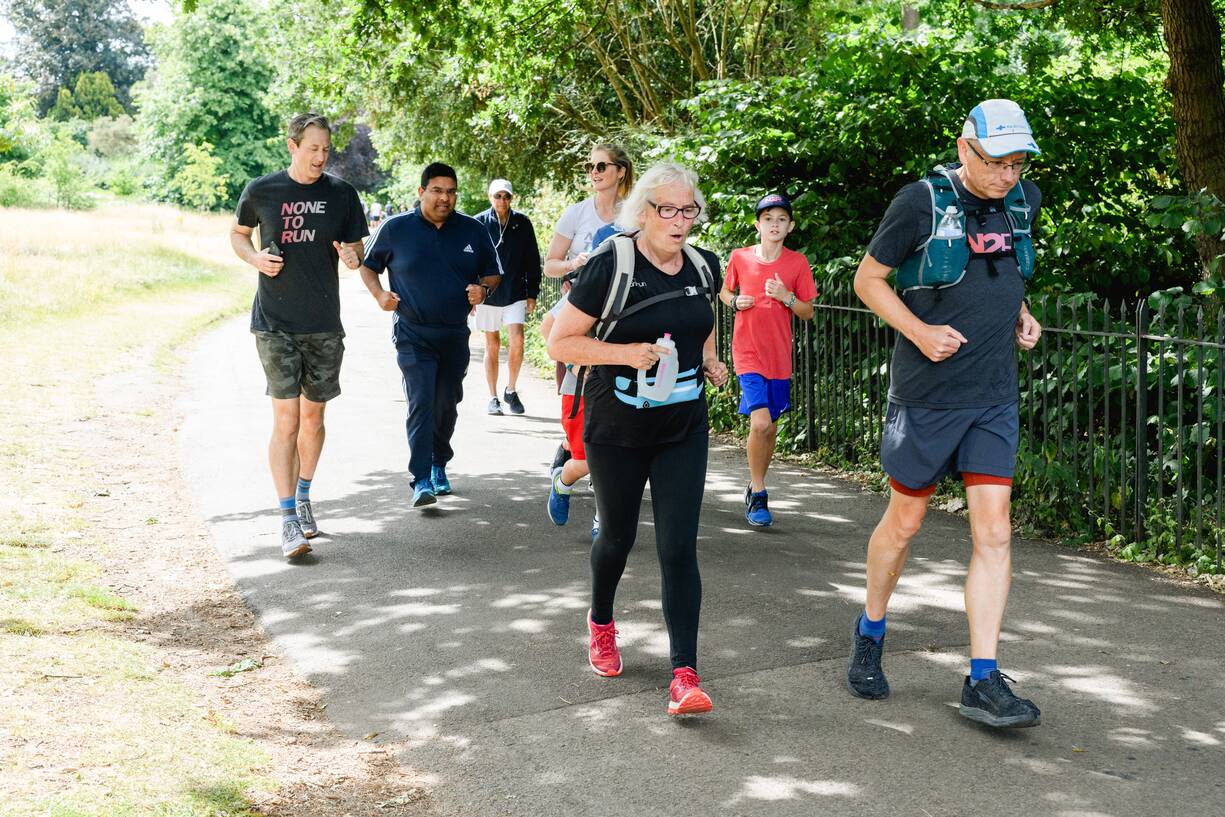
I’ve been running for over 35 years and writing about running almost as long, and I don’t know a single person who has not taken time off from running multiple times throughout their running lives. Run Streakers—people who run at least one mile per day everyday—are so rare that they end up in magazine articles. (For the record, I’m not a fan of “run streaking” because it doesn’t allow listening to your body when time off is needed.)
Forced or chosen time off is a natural part of being a runner. People get injured. Or pregnant. Or change jobs, relationships, living situations, or experience any other life changes that make running take the back burner. And that is totally okay because, you know what? Running isn’t going anywhere. It’s always there, and you can always go back to it.\
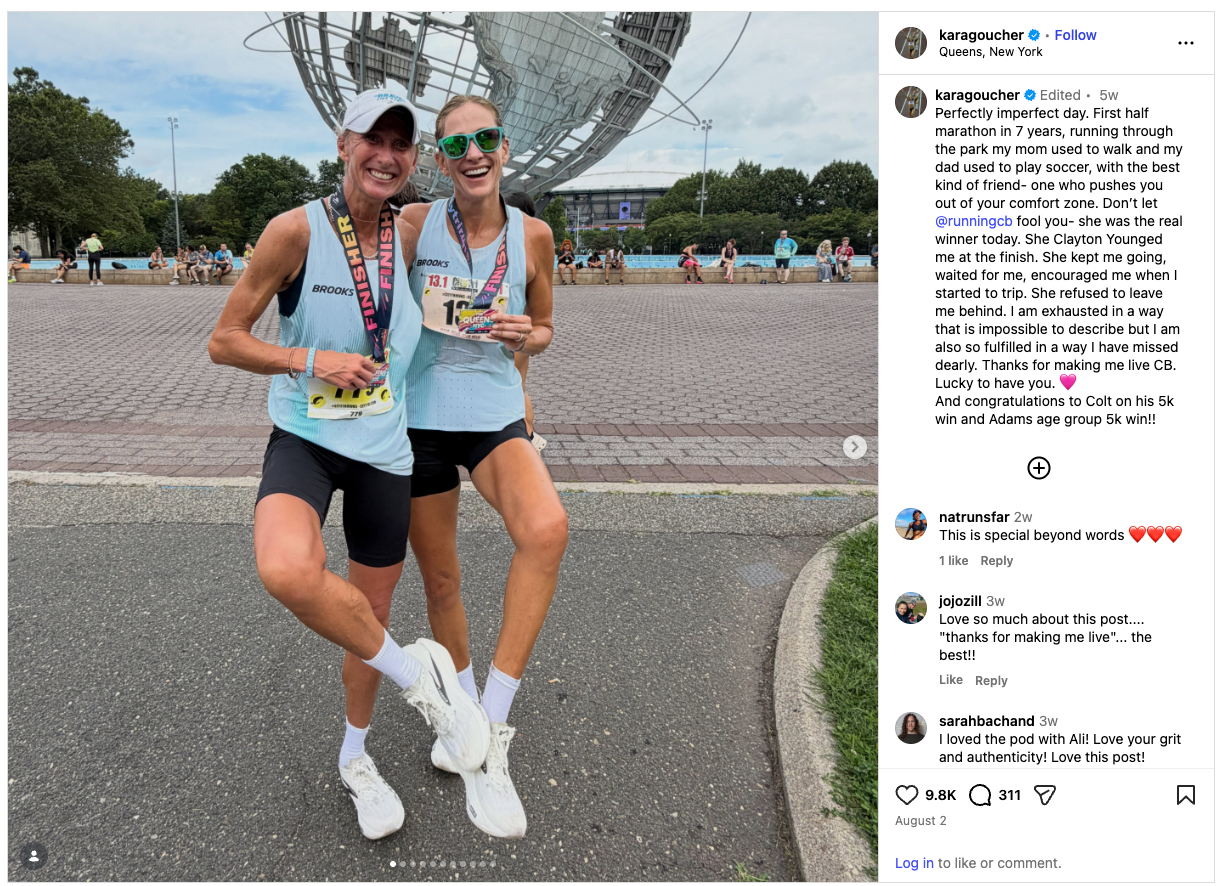
Even professional runners take breaks. Olympic distance runner Kara Goucher discovered she had a neurological movement disorder called runner’s dystonia in her early 40s after decades of running.
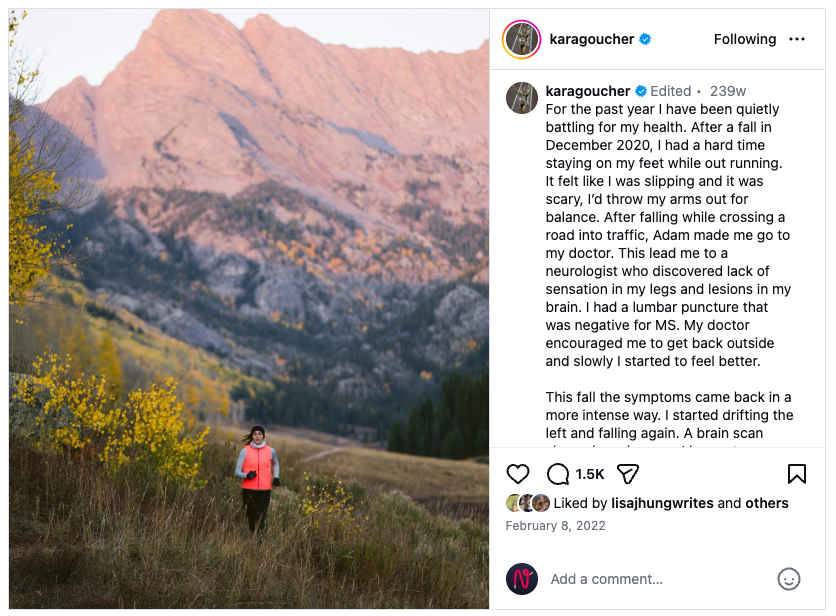
Although she wasn’t running professionally when she started showing symptoms, she’d been enjoying daily miles and occasional races, including a trail marathon. Sidelined while receiving treatments, she eased back into a new relationship with the sport she loves and is now wholeheartedly enjoying being back out there.
Steeplechaser Emma Coburn had competed in three Olympic Games and was looking to qualify for her fourth in 2024 when she broke her ankle during a race that April.
After six weeks of diligent rehabilitation, she was able to run again.
And she’s now back full force, seemingly never missing a beat (despite ankle surgery).
And Olympic distance runner Ryan Hall ran his last road race in 2016, choosing to shift his focus to bodybuilding. He transformed his 127-pound runner’s frame to 190 pounds of muscle.
Months after retiring from road running, Hall got into trail running and now enjoys trail races and mountain adventures of all kinds.
These three returned to running—two of them have very different relationships with the sport and are not competing like they used to, but one of them (Emma) is.
Non-elite runners take breaks, too. My husband was a runner in his early 20s but then prioritized rock climbing for about a decade and never ran. When he returned (because he started dating me, a runner), he eased back in but then got the racing bug and ran 15 marathons through his 30s and 40s, including Boston three times and a 50K ultramarathon. He’s now taking another break from running and just rowing (but he knows running is there if he wants to start up again).
Since I started running, I’ve been sidelined more times than I can remember. In just the past year, I had a hip injury while training for a half-marathon which had me hiking and aqua jogging for training. I ended up being able to race on just two days of running a week, and ran healthily through the winter. But then this past spring, I tore my LCL snowboarding. Instead of running, I swam, lifted weights, and hiked before slowly returning to my runner self.
Any time I’m forced to take a break from running, I inch my way back slowly by hiking, then run-walking, slowly increasing my running intervals before heading out for straight-up runs, albeit short runs. Eventually, I feel like my pre-injury self and running just clicks.
Taking breaks from running, whether by choice or being forced by injury or other circumstances, is completely normal. And whether those breaks are short-term or years long, there is always a way back. Running will always be there.
Whatever your reason for time off, here are some tips for returning.
Even if your reason is that you just wanted a break from running, or you had young kids or a busy job and couldn’t find the time, or maybe you just hated it for a while (this happens!), there’s no point in beating yourself up over it. Give yourself grace. Life happens.
The first few times you head of for a run-walk might feel terrible, and that can be discouraging. Trust that a run-walk method will allow you to gently progress with the goal of staying injury free, and that you’ll eventually feel like a runner again.
As tempting as it may be, don’t resume running as if you never left. Bodies need time to readjust to the motion of running. Even if you’ve been participating in other sports and have remained active, running is a specialized type of movement that requires ease. Leave the ego at home and let your body slowly remember how to run.
Resuming running after time off takes time. Be patient.
Consistency is the key to readjusting to running. Be consistent, but with reason. Take days off in between to allow the readjustment to settle. But then get back out there.
Try to not compare your new runner self to your old runner self. Everybody’s relationship to running evolves over time. Appreciate where you are as you’re returning to a new phase in running.
Wherever you are in your running journey, be proud for getting back out there. Making the decision to resume running—whatever the reason for the break, and however long the break—is worth celebrating.
You don’t need to be fast, fit, or fearless to become a runner.You just need a simple plan, an encouraging community, and the consistency to keep showing up — and None to Run gives you all three.

6,700 + Ratings in the Apple App Store

Time is hard to come by. Kids, work, and other commitments can get in the way. You need a plan that's easy to follow and can work around you, not the other way around.

You look "weird" when you run. You’re “not” a runner. You’re too “slow” or too "Old." We're here to tell you right here, right now, that you’re wrong. You only *think* these things because it's new and you feel uncomfortable. That'll change with consistency and time. You are a runner!

It may have been hard previously, but it doesn't have to be – now, you'll be given the tools and the knowledge to succeed. We’re doing things differently in order to see different results.

Running when you aren't ready or without the proper training can hurt, leaving you with nagging injuries that never seem to clear up. We ease you in, giving you the strength and conditioning you need to make sure your running doesn't come with pain.